


Fat is both a building block and a source of energy for our body and provides vitamins A, D, and E. Fat consists of saturated and unsaturated fat. Each food product contains these fats in different amounts. If you replace foods high in saturated fat with those high in unsaturated fat, your risk of cardiovascular disease decreases.
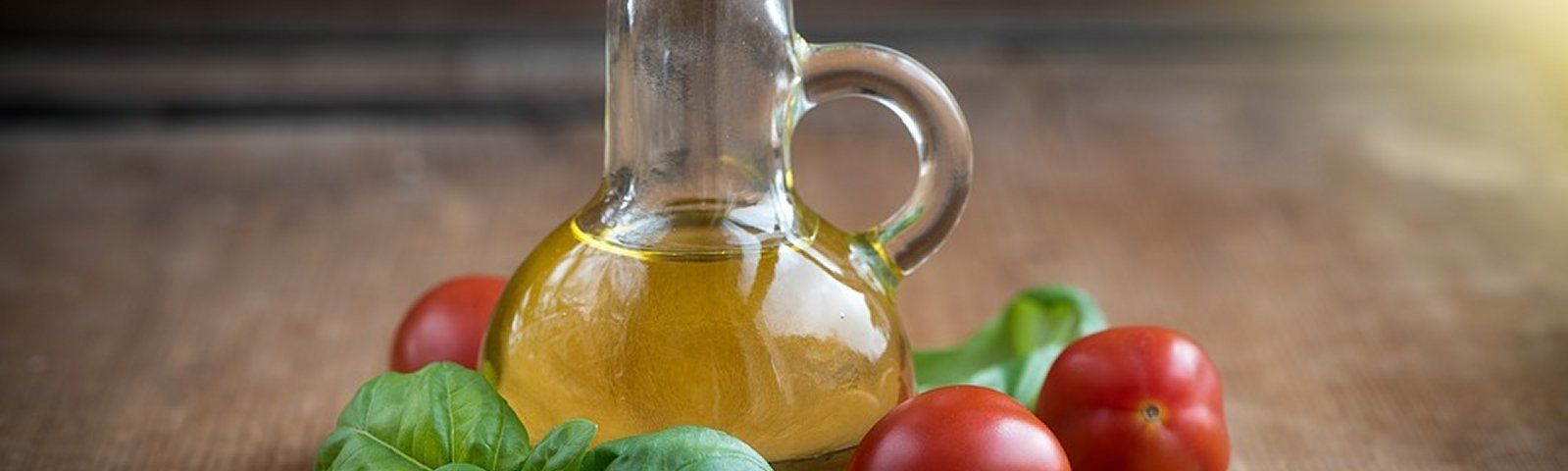
Liquid plant-based fats are healthier because they contain more beneficial unsaturated fats. Examples include olive oil, sunflower oil, soft margarine and low-fat spread from a tub, and liquid cooking margarine. Vegetables stir-fried in olive oil, drizzled on a salad, or margarine on bread—all contribute to your intake of these essential unsaturated fats.
In the Netherlands, vitamins A and D are added to margarine, low-fat spreads, and liquid cooking fats. These products also naturally contain vitamin E. If you don’t use margarine or low-fat spread on your bread or if you cook with oil instead of liquid margarine or cooking fat, you’ll consume less vitamin A, D, and E.
Vitamin A
Your body produces vitamin A from the compound beta-carotene. Certain vegetables are high in beta-carotene, such as carrots, pointed cabbage, and green leafy vegetables like kale and spinach. By eating these regularly, you get enough vitamin A.
Vitamin D
Vitamin D is obtained through sunlight and food. Sunlight is the most important source—vitamin D is made in your skin when it’s exposed to the sun. Besides being added to margarine and liquid cooking fats, vitamin D naturally occurs in fatty fish such as salmon, mackerel, and herring. Small amounts are also found in meat, eggs, and dairy. If you only use oil and avoid margarine, low-fat spread, or liquid cooking fats, you’ll consume less vitamin D. The Dutch Nutrition Centre gives supplementation advice for certain groups.
Vitamin E
Vitamin E is found in sunflower oil, bread, grain products, nuts, seeds, vegetables, and fruit. In the Netherlands, vitamin E deficiencies are not known to occur.