


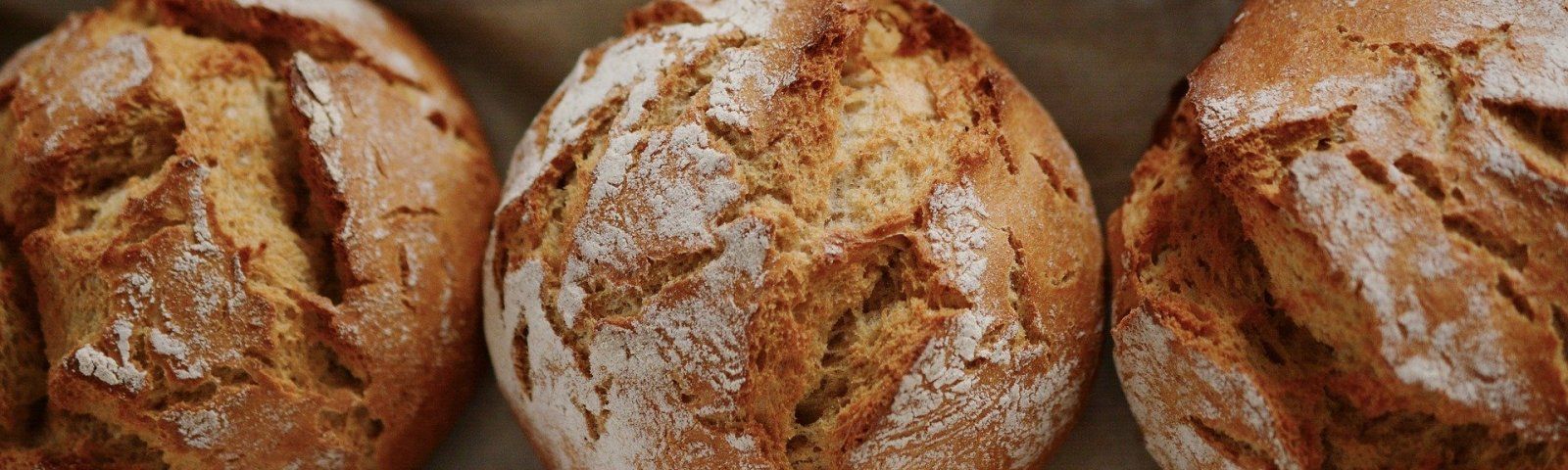
There are different types of grain products. The healthy varieties are whole grain products, such as whole wheat bread, whole wheat pasta, whole grain bulgur, and brown rice. Eating just 3 tablespoons of whole grains or 3 slices of whole wheat bread per day can already reduce your risk of cardiovascular disease and type 2 diabetes.
Grain products also provide energy and many essential nutrients, such as fiber, protein, B vitamins, and iron. So it’s okay to eat a bit more of them. Potatoes are also a great addition.
Are you used to eating a lot of white grain products, like white bread, white pasta, or white rice? Switch to whole grain alternatives—they’re much better for your body and health.
Eating whole wheat bread is the easiest way to get fiber, iron, and B vitamins into your diet every day. You can vary your sandwich daily with healthy toppings.
Bread is the main source of iodine in the Netherlands, because most bread is made with baker’s salt, which has added iodine. If you don’t eat bread, it becomes very difficult to get enough iodine. Note: Organic bread often does not contain baker’s salt—check the label or ask your baker.
Try having oatmeal or muesli instead of bread once in a while. Choose a plain muesli and add some nuts and fresh fruit.
Potatoes are not grain products, but they’re still a good meal base and a source of valuable nutrients. You can boil, mash, or fry them in a healthy oil. Whole wheat pasta, brown rice, whole grain bulgur, and potatoes all have their own qualities. Use variety by rotating them in your hot meals.