


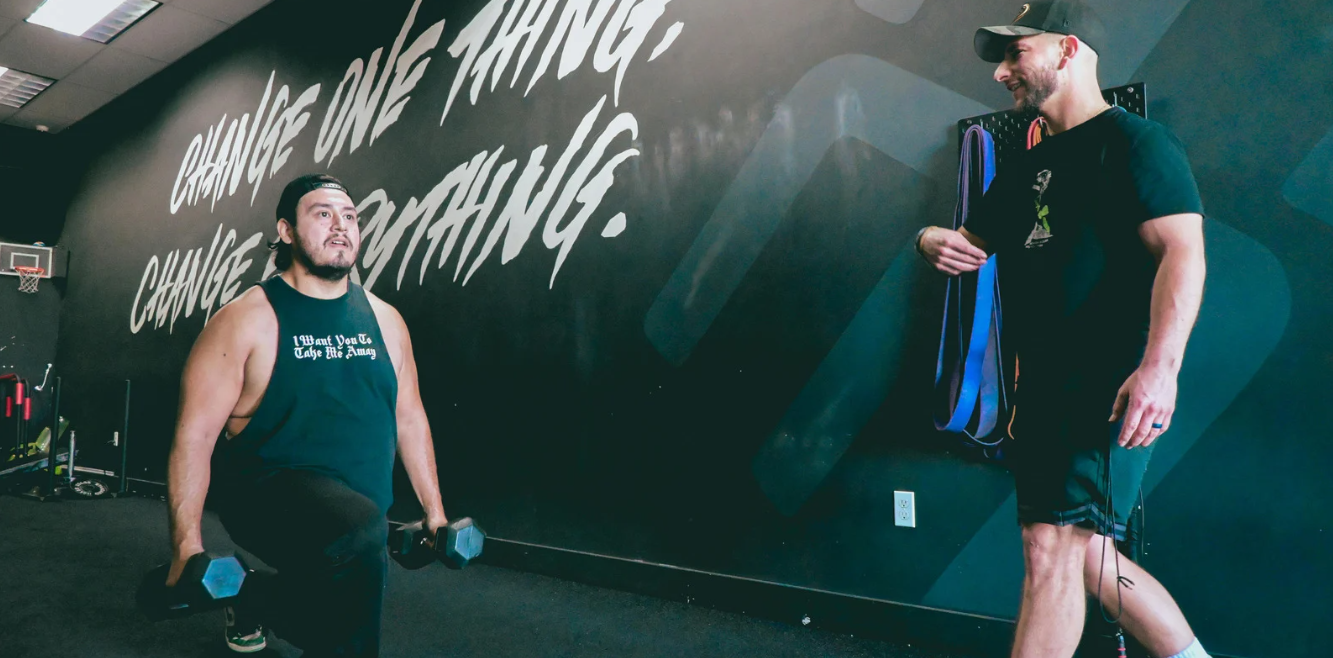
The role of the personal trainer is changing. Where clients once mainly came for a solid training plan, today they expect much more. They want results that fit their lives. Not just getting stronger or losing weight, but also having more energy, more structure, and more control over their lifestyle. For personal trainers and gyms, that means one thing: training alone is often no longer enough. Anyone who truly wants to help clients and stand out in a crowded market needs to take a broader view. And that quickly leads to nutrition.
Why training alone is often not enough
Many trainers recognise this: a client trains seriously, but sees less progress than hoped for. Motivation drops, progress stalls, and eventually frustration sets in. Not because the training plan is poor, but because results are never determined in the gym alone. What someone eats, how consistently they live, and how well they stick to their choices all have a huge impact on the end result. That is exactly why nutrition is increasingly seen less as an extra, and more as a fixed part of good coaching. Clients sense this themselves too. They do not just want to hear which exercises they should do, but also what they can do outside training. Think of practical support with meals, structure, and healthy choices that are realistic in a busy life.
Today’s client is looking for complete guidance
The modern fitness client thinks less in separate parts and more in terms of overall results. People no longer want just “a plan”, but an approach that works in real life. This means the trainer is increasingly seen as a coach across multiple areas. That is an opportunity. Personal trainers and gyms that look beyond movement alone build more trust. They become less interchangeable and deliver more value. Nutrition plays a central role in this. Not because every trainer needs to be a dietitian, but because clients do expect nutrition to be included in their journey. Those who do not include it are often missing opportunities.
From individual sessions to a stronger coaching offer
For many personal trainers, this is also a business development. Offering only one-to-one training makes your business model vulnerable. It takes time, is difficult to scale, and means revenue remains highly dependent on your available hours. By adding nutrition to your services in a smart way, you create a more complete offer. You help clients more effectively, increase the perceived value of your coaching, and create more opportunities to scale your support. The same applies to gyms. Clubs that offer nutritional guidance alongside training can differentiate themselves more strongly. Not only when it comes to attracting new members, but also in supporting existing members who expect more than access to equipment and group classes.
Why nutrition is becoming more important right now
The fitness market is becoming more competitive. There are more trainers, more online programmes, and more providers claiming to deliver results. As a result, it is becoming increasingly important not just to sell training, but to offer a solution. Nutrition is often the missing link in that solution. This is precisely the area where many clients need support. They usually know that nutrition matters, but they lack structure, clarity, and practical guidance. When a personal trainer or gym does provide that support, the coaching immediately feels more complete. That not only improves results, but also increases client engagement.
The step towards nutrition coaching does not have to be complicated
Many trainers and gyms do see the importance of nutrition, but run into the same questions. How do you offer it professionally? How do you prevent it from taking too much time? And how do you make sure it remains practical for both coach and client? That is exactly why a good nutrition programme can make such a difference. It helps make nutrition a low-threshold and professional part of your coaching offer. This means you do not have to develop everything yourself and can move more quickly. For personal trainers, that means offering more value without making things unnecessarily complex. For gyms, it means creating a stronger overall concept that better matches the needs of the modern exerciser.
More results for the client, more value for the coach
Clients stay engaged for longer when they notice that the coaching truly matches their goals. And that happens faster when training and nutrition reinforce each other. A client who not only exercises, but also receives clear nutritional guidance, experiences more overview and more direction. That makes it easier to stay consistent. And the better clients stick with their programme, the greater the chance of results. That also brings benefits for trainers and gyms. More satisfied clients. More distinguishing power. And an offer that is not only stronger in content, but also more commercially attractive.
The personal trainer of 2026 is more than a trainer
The market is moving towards total coaching. Clients are looking for someone who sees more than sets, reps, and training days. They are looking for guidance that fits their life and helps them truly stick to their goals. That is why nutrition is no longer a side issue. It has become a logical part of modern coaching. Not as separate advice, but as part of a complete approach. For personal trainers and gyms that want to grow, that is a clear opportunity. Those who add nutrition to their offer in a smart way increase both the impact for the client and the value of their own services.
Conclusion
The question is no longer whether nutrition is important within coaching. The real question is how to use it effectively within your offer as a personal trainer or gym. Anyone who wants to remain relevant in 2026 needs to do more than just offer training. The future lies in total guidance: practical, personal, and results-driven. And that is exactly where nutrition coaching can make the difference.
With the BenFit app, tracking nutrition is simple, practical, and easy to maintain in daily life. Curious how the BenFit nutrition programme can support your clients? Click here to learn more.