


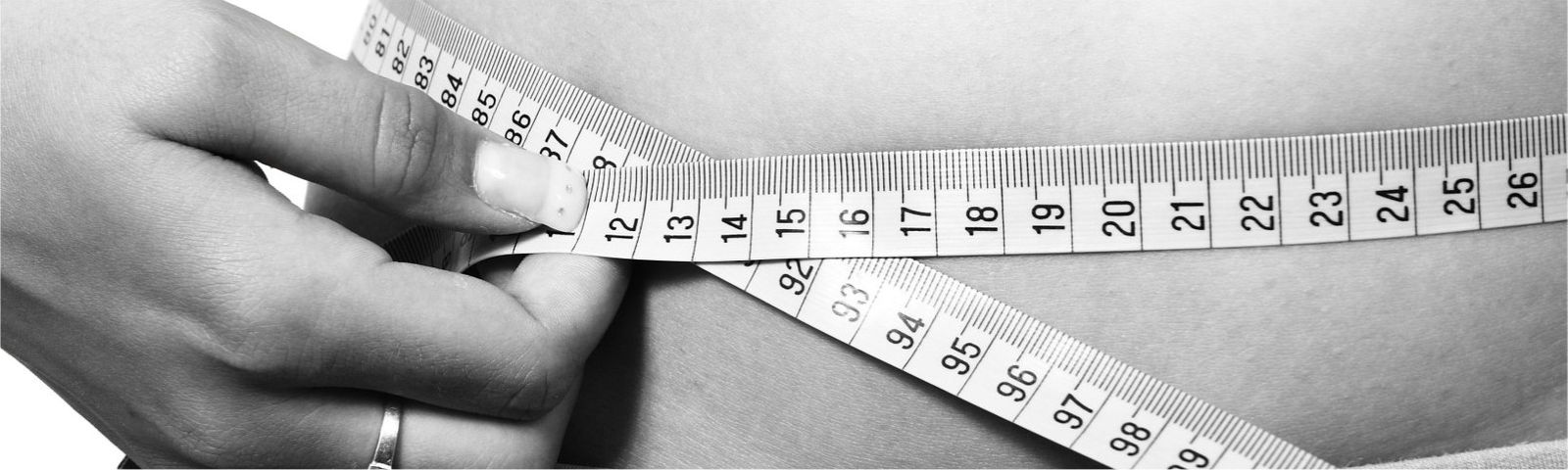
Gene Influences Fat Distribution
Fat around your waist or more on your hips — it’s not just your body shape that determines how fat is distributed.
Research has shown that a gene plays a key role in determining where fat is stored in the body.
It’s been known for some time that people with abdominal fat have a higher risk of cardiovascular disease and diabetes compared to those who store fat primarily around their hips and thighs.
Hip fat sits just under the skin and is therefore less harmful, while abdominal fat surrounds vital organs and is a key contributor to metabolic diseases.
In this particular study, medical biologists weren’t focused on the causes of disease — rather, they wanted to understand what drives the characteristic apple-shaped or pear-shaped body types.
The study
The starting point was data from a recent large-scale study into the genetic basis of fat distribution.
In this study, hip and waist measurements were taken from 224,000 people.
Researchers then looked through their genomes for regions associated with apple-shaped or pear-shaped bodies.
Dozens of genetic regions were identified, with several located near a single specific gene.
Fat distribution
To explore this gene further, scientists disabled it in zebrafish — which, interestingly, are quite similar to humans in terms of genetics and development.
What they found was striking: zebrafish with the gene active showed a very different fat distribution than those without it.
In fact, zebrafish lacking the gene developed significantly less abdominal fat, and the fat they did have consisted of many small fat cells.
In contrast, normal zebrafish had fewer but larger fat cells.
In humans, this first pattern (many small cells) is linked to a lower risk of disease, while the second pattern (fewer large cells) is more dangerous.
These findings were published in the journal PNAS, along with photos clearly showing the difference in fat development between the two groups of zebrafish.
Confirmation
Researchers in Sweden independently confirmed these findings.
Doctors there analyzed the DNA of several patients and found that people with type 2 diabetes showed increased activity of the same gene.
This suggests that the gene likely plays a similar role in humans as it does in zebrafish.
What does the gene do?
The gene in question is already known to help build blood vessels.
Exactly how it influences fat distribution remains unclear, but researchers speculate that genes responsible for building blood vessels may also create structures where fat cells are housed — and somehow this affects how and where fat is stored.
As the research team explains:
“We think that the genes building blood vessels also form structures that house fat cells. And somehow, this affects fat distribution and body shape.”
However, they caution that this is likely just one of many genes that collectively influence body shape and metabolic health.