


2027 may still seem some way off, but many of the developments that could shape the fitness industry next year are already becoming visible. Technology is advancing rapidly, gyms are taking a broader view of health and members increasingly expect personalised support. At the same time, the need for human interaction, community and a place where people aren’t simply able to exercise but are genuinely supported in achieving results is growing.
The official worldwide fitness trends for 2027 have not yet been published. However, research and developments from 2026 already provide a clear indication of where the industry may be heading. The American College of Sports Medicine (ACSM) ranks wearables, active ageing, weight management, fitness apps and data-driven training among the leading trends for 2026
Which developments do we think will continue into 2027? Here are seven fitness trends for 2027 to watch.
1. AI will become a standard tool for fitness professionals
Artificial intelligence is everywhere. Within fitness, AI is also gradually moving from an interesting extra feature to a practical tool for coaches and business owners. Think of software that helps analyse data, personalise training or nutrition recommendations and automate repetitive tasks.
That doesn’t mean AI will replace the coach.
In fact, the opposite may happen. The more technology becomes available, the more important it becomes to have someone who can interpret all that information and translate it into a realistic plan for the client. NL Actief also identifies a shift in data-driven fitness technology from simply collecting information towards interpreting and applying it effectively For fitness businesses, the opportunity therefore lies in the combination:
AI for efficiency, the coach for personal interaction and behaviour change.
2. Wearables will move from measuring to guiding
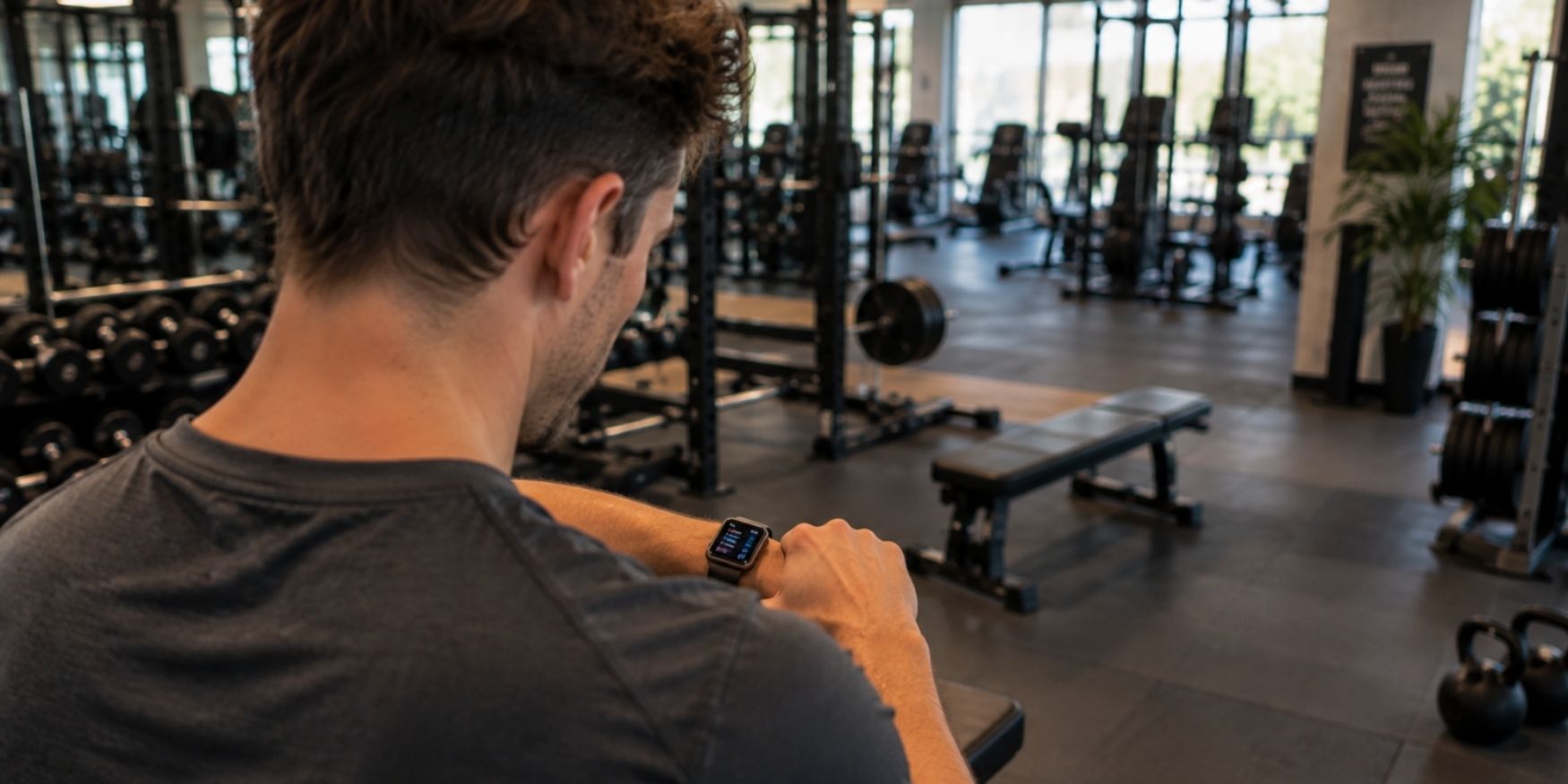
Wearable technology once again tops the ACSM’s worldwide fitness trends for 2026. Smartwatches and other wearable devices now measure far more than steps and calories, including heart rate, sleep, recovery and various health indicators. As we move towards 2027, we expect the emphasis to shift away from simply collecting even more data.
The main question will become: What should someone actually do with all that information?
A recovery score is interesting, but it becomes far more valuable when a trainer can use it to adjust someone’s training programme. The same applies to information about daily activity, sleep and training load. Fitness professionals therefore increasingly become interpreters. Technology provides the data, while the coach helps determine what action should follow.
3. Active ageing and longevity will continue to grow
Fitness programmes for older adults rank second in the ACSM’s 2026 survey. This reflects a much broader development: fitness is becoming less focused solely on appearance or sporting performance and more concerned with remaining healthy, strong and independent for longer. We expect this development to continue growing in 2027. Strength training, mobility, balance and sufficient daily activity will become increasingly relevant to a growing audience.
Gym services will need to evolve accordingly. A 60-year-old who wants to age strongly and healthily has different requirements from a 20-year-old primarily focused on building muscle. That calls for different training approaches and potentially greater attention to recovery, protein intake and lifestyle. For gyms, this creates opportunities to offer programmes around healthy ageing, maintaining muscle strength, mobility and balance, nutrition and protein intake, daily movement, lifestyle and recovery.
The gym therefore increasingly becomes a place where people invest in their long-term health.
4. Weight management will become broader than weight loss
The approach to weight loss is also changing. ACSM deliberately renamed Exercise for Weight Loss to Exercise for Weight Management, reflecting a broader range of goals including weight loss, maintenance and gain. ACSM also highlights exercise and the preservation of muscle in the context of weight-loss medication.
Growing attention around GLP-1 medication is accelerating this development. When someone loses weight relatively quickly, guidance around strength training, adequate nutrition and maintaining muscle mass becomes particularly relevant. This creates an interesting new position for gyms.
Not: “Come to our gym to burn calories.”
But: “We’ll help you stay strong, fit and healthy during and after your weight-loss journey.”
That requires cooperation between exercise, nutrition and, where appropriate, medical professionals. We therefore expect weight management in 2027 to increasingly become a complete coaching journey rather than a standalone weight-loss challenge.
5. The gym will become a hybrid health hub
Mobile exercise apps remain fourth in the worldwide ACSM trends for 2026. The future probably isn’t entirely digital or entirely physical. Instead, the two are coming together. A member might train at the gym twice a week, monitor their activity through a wearable during the rest of the week, use an app for nutrition or coaching tasks and regularly discuss their progress with a coach. This means a gym’s service no longer ends when someone walks out of the building.
The physical location remains important for training, equipment, coaching and social interaction. Digital support allows that guidance to continue outside the gym. In 2027, we therefore expect to see more fitness concepts in which the gym, apps, data and coaching form one connected member journey.
6. Nutrition and lifestyle will become a more natural part of fitness
People join a gym with a goal. Lose weight. Build muscle. Get fitter. Have more energy. Age more healthily. Training helps, but it is rarely the only factor determining the outcome. Nutrition, daily activity, sleep, relaxation and habits all play a role.
We’re already seeing this broader approach to health reflected in current trends. Alongside weight management, ACSM’s 2026 top 10 includes Exercise for Mental Health and Balance, Flow and Core Strength. In August 2026, ACSM also published an updated evidence-based framework for physical fitness. Importantly, the new framework emphasises that the different components of fitness are interconnected rather than completely separate. Towards 2027, we therefore expect more gyms to look beyond the workout programme alone.
That doesn’t mean every trainer suddenly needs to become a dietitian, sleep expert and lifestyle coach.Technology can help make parts of this wider support scalable. A nutrition app, for example, can provide structure around food, while the coach uses personal contact to focus on behaviour, progress and the barriers the individual is experiencing.
7. The more digital fitness becomes, the more important community becomes
Perhaps the most interesting development is that technology and human interaction are growing at the same time. Adult Recreation and Sport Clubs entered the ACSM trends for the first time in 2026, ranking ninth. ACSM links its emergence in part to people’s desire for social connection while exercising. Think running groups, small-group training, fitness races, challenges and other concepts centred around exercising together.
That’s unlikely to be a coincidence. In a world where more and more can happen digitally, real-life interaction can become even more valuable. This gives gyms an advantage that a standalone fitness app struggles to replicate.
A club can give people a sense of belonging. Combine that with personal coaching and technology and you get what could become one of the strongest fitness concepts heading into 2027:
smart technology for convenience and personalisation, combined with coaches and community for motivation and connection.
What do the fitness trends for 2027 mean for gyms?
Meanwhile, the European fitness market continues to grow. According to EuropeActive and Deloitte, European fitness membership increased by 5.8% in 2025 to 75.5 million members. Total market revenue increased to €39.1 billion.
That creates opportunities, but it also means gym owners need to keep thinking about the value they provide. A room filled with fitness equipment is becoming increasingly easy to compare with the gym down the road. The difference is increasingly found in everything around it. How effectively do you onboard a new member? How personalised is the experience? Can you support someone outside their training sessions? Are you using available technology effectively? And do your members feel part of your club? Looking ahead to 2027, we therefore see one overarching development:
Fitness is continuing to evolve from a place where people exercise into an environment where they’re supported towards a healthier lifestyle.
Ready for the gym of 2027?
For gyms, this development doesn’t mean every service needs to be completely redesigned. By using technology effectively, you can expand your existing support without every additional participant automatically requiring a significant increase in coaching hours. With BenFit, you can add personalised nutrition coaching to your existing fitness concept. Through the app, participants can access a personalised nutrition plan, recipes, alternatives, shopping lists and tools for tracking their food and progress.
This allows you to combine nutrition and technology with the personal support your trainers and coaches already provide.
With the BenFit app, tracking nutrition is simple, practical, and easy to maintain in daily life. Curious how the BenFit nutrition programme can support your clients? Click here to learn more.