


Fiber is important — everyone knows that. But what exactly is it?
Dietary fiber is a collective term for a group of carbohydrates that are not digested in the small intestine. Our food doesn’t contain just one type, but a mixture of many different fibers.
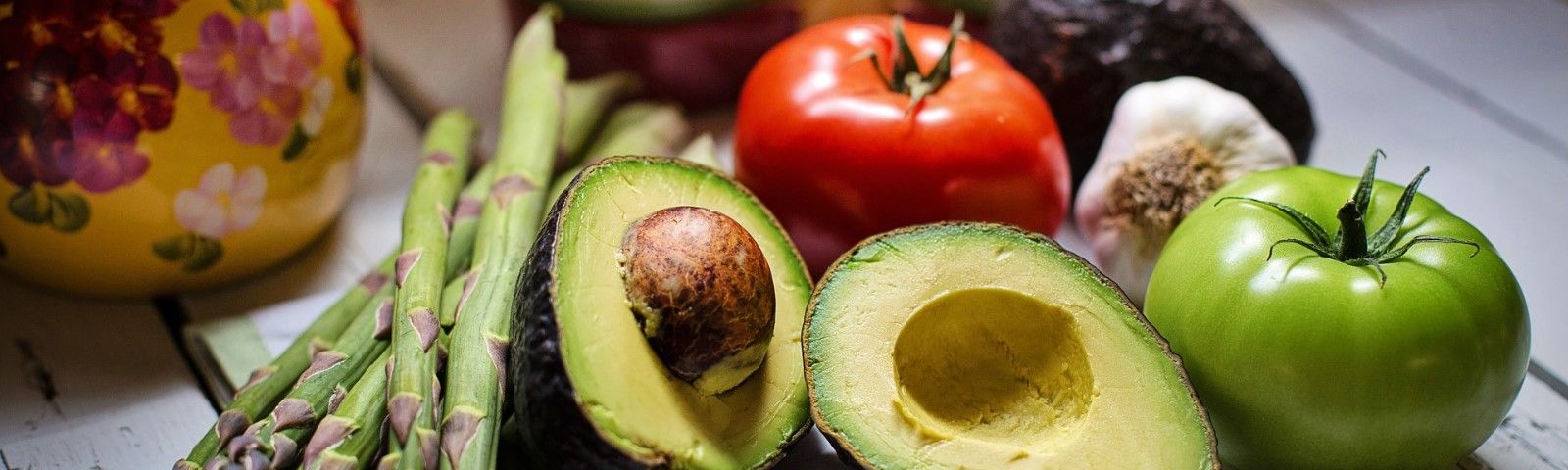
Fiber mainly comes from the cell walls of plants. So only fresh, whole foods really contain fiber: fruit, vegetables, whole grains and rice, and nuts.
There are two types of fiber: soluble and insoluble.
People sometimes say that one causes constipation and the other prevents it — but that’s not true. You need both types.
-
Soluble fiber helps keep stool soft and supports smooth digestion. It’s found in beans, nuts, legumes, rice, and grains.
-
Insoluble fiber adds bulk to the stool, which promotes bowel movements. It’s found in vegetables and fruits.
So the type of fiber doesn’t matter as much as simply eating enough healthy foods.
Fiber supports digestion, but it’s also linked to a reduced risk of heart disease and colon cancer.
The recommendation is 30–40 grams per day, but most people don’t even get to 20 grams.
Important: if you increase your fiber intake, you should also drink more water. Otherwise, you might experience constipation.
More and more products are now being enriched with so-called isolated fibers, such as inulin. These are extracted from fruits and vegetables in a factory.
Because of this, manufacturers can label products as “high in fiber.” However, isolated fibers may not offer the same health benefits as natural fibers — especially when it comes to heart health.
That’s why isolated fibers should not count toward the daily recommendation of 30 to 40 grams of fiber.